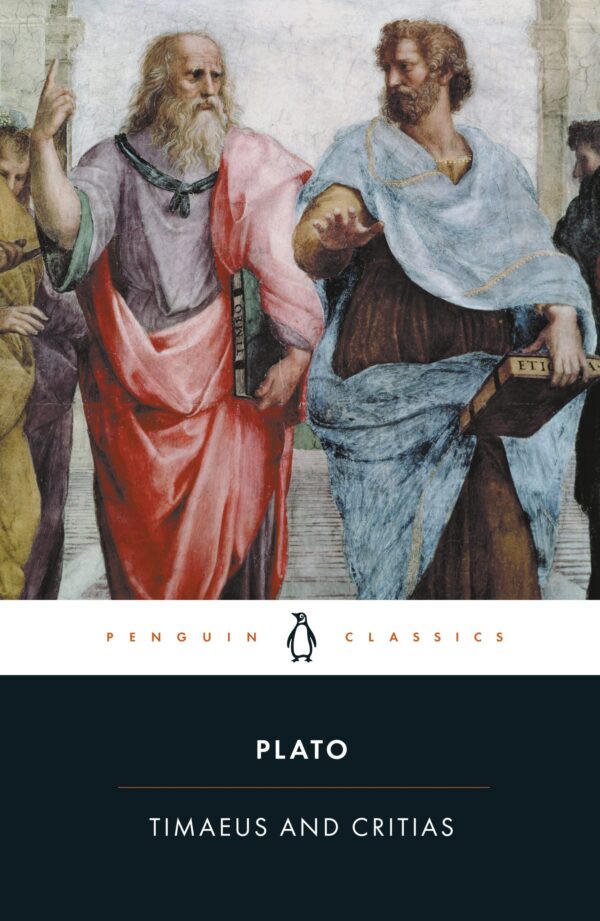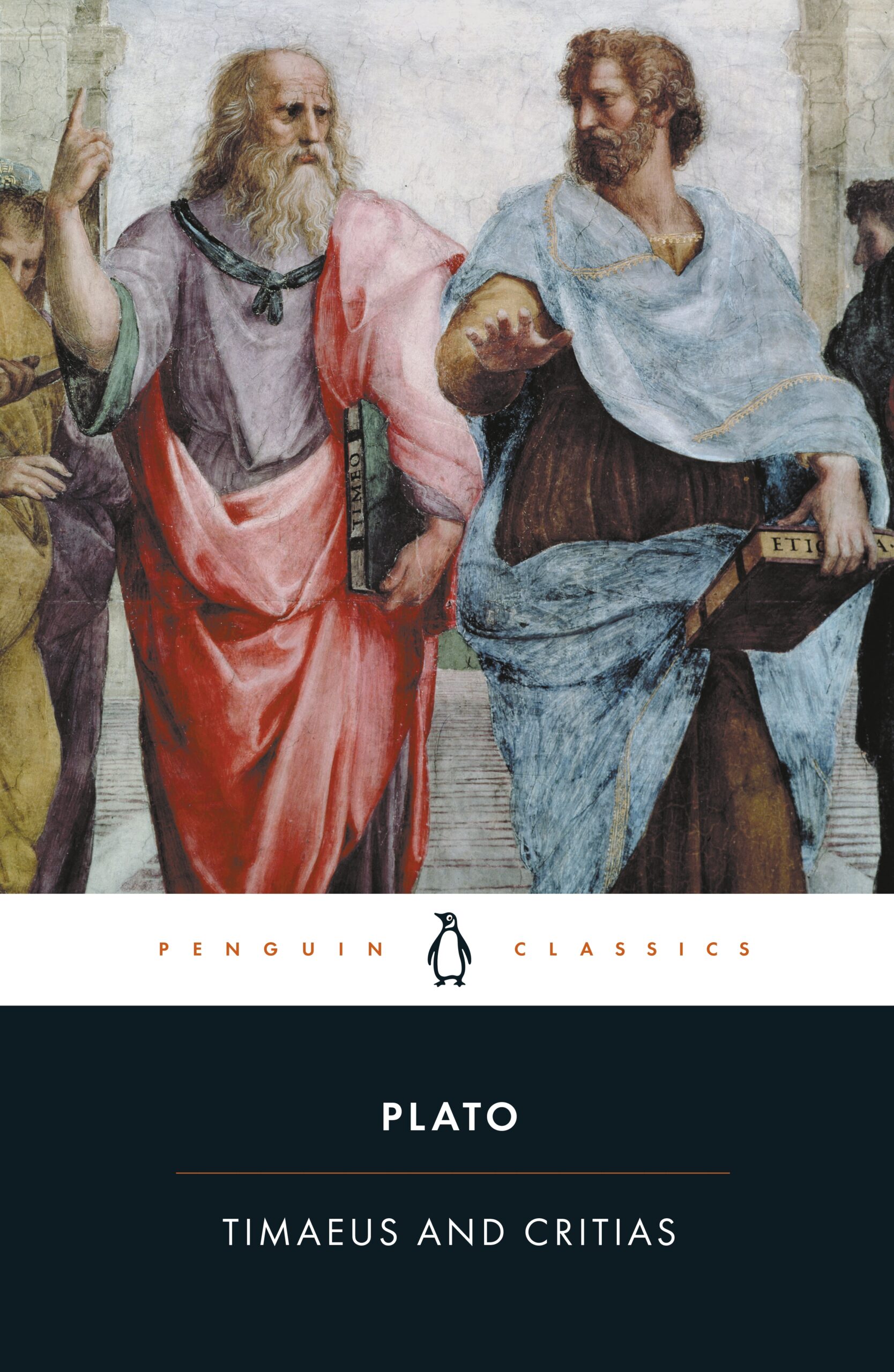
Timaeus and Critias
| Plato |
Timaeus and Critias by Plato (Penguin Classics) — his cosmological creation myth and the only ancient source for the legend of Atlantis. Timaeus shaped Christian theology and medieval cosmology; Critias describes the island civilisation destroyed for abandoning virtue. Translated by Desmond Lee.
| Penguin Classics | |
| რბილი ყდა | |
| ინგლისური |
46.00 ₾
მარაგში
| რაოდენობა | ფასი | ფასდაკლება |
|---|---|---|
| 3-9 | 39.10 ₾ | 15% |
| 10+ | 32.20 ₾ | 30% |
ანოტაცია
Where did everything come from? How was the universe made? What are we made of, and why are we here? In Timaeus, Plato imagines a divine craftsman — the Demiurge — who fashions the physical world according to the eternal Forms, creating time, space, the heavenly bodies, and the human soul. It is one of the most ambitious and influential cosmological visions in the history of thought.
Timaeus was the only Platonic dialogue known in the Latin West throughout the Middle Ages, and its influence on Christian theology, natural philosophy, and the entire tradition of Western cosmology cannot be overstated. The idea that the universe was created by an intelligent craftsman according to rational principles — which Timaeus established — shaped scientific and religious thought for fifteen hundred years.
Critias, the unfinished companion dialogue, contains the only ancient account of Atlantis — the great island empire that sank beneath the ocean after its people abandoned virtue for worldly ambition. Whether Atlantis was history, fable, or pure invention has been debated ever since. Desmond Lee’s translation makes both dialogues fully accessible. Published by Penguin Classics.
მახასიათებლები
| ავტორი | Plato |
|---|---|
| გამომცემლობა | Penguin Classics |
| გვერდების რაიოდენობა | 176 |
| ISBN | 9780140455045 |
| ყდის ტიპი | რბილი ყდა |
| ენა | ინგლისური |
| ფორმატი | 198 x 129 mm |