

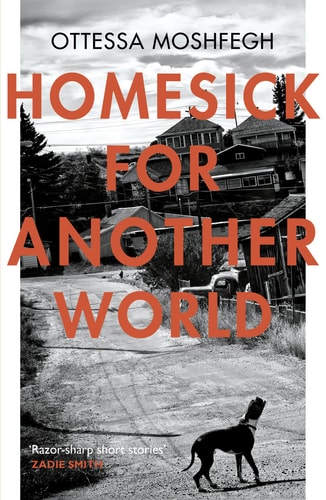
Homesick for Another World
54.00 ₾ ?
 თბილისში მიწოდება: 45 წთ-ში
Ottessa Moshfegh’s debut story collection — self-destructive, deluded, and occasionally monstrous narrators rendered with the cool precision and dark humour that defines her best work. An excellent introduction to one of contemporary fiction’s most discomforting original voices.

The Third Love
54.00 ₾ ?
თბილისში მიწოდება: 45 წთ-ში
Hiromi Kawakami’s quietly mesmerising novella about memory, longing, and the strange persistence of past love. Prose of understated precision that accumulates into something deeply moving — essential for readers who love her work and a perfect introduction for those discovering her for the first time.
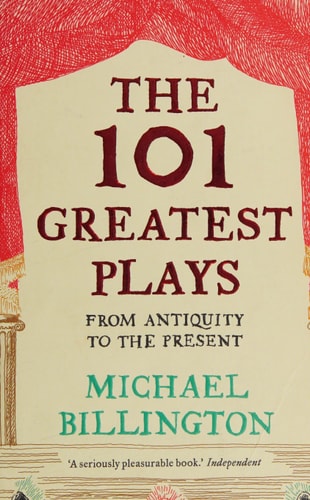
The 101 Greatest Plays From Antiquity to the Present
82.00 ₾ ?
თბილისში მიწოდება: 45 წთ-ში
Michael Billington’s authoritative guide to 101 plays that have defined theatre from antiquity to the present — selected and introduced by one of the world’s most respected drama critics. Passionate, learned, and indispensable for theatregoers and anyone drawn to humanity’s oldest art form.
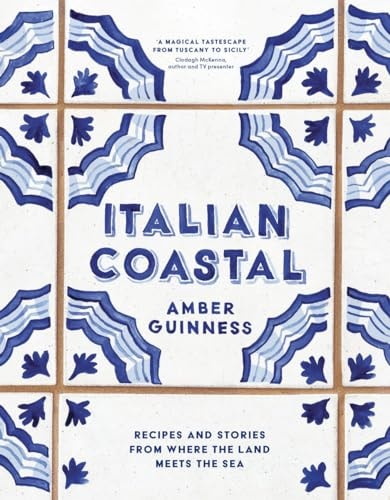
Italian Coastal Recipes and Stories from Where the Land Meets the Sea
187.00 ₾ ?
თბილისში მიწოდება: 45 წთ-ში
Recipes and memories from Italy’s southern coastline — sun-drenched terraces, simple seafood, local wine, and cooking rooted in a profound sense of place. Amber Guinness’s stunning cookbook combines gorgeous photography, achievable recipes, and writing that transports you to the Amalfi Coast.

The New French Look (US Edition)
152.00 ₾ ?
თბილისში მიწოდება: 45 წთ-ში
A beautifully photographed guide to contemporary French interior design — the relaxed elegance, confident colour, and mix of old and new that has influenced global style for a generation. Lauren Li’s inspiring volume documents the aesthetic that has made French interiors the world’s most imitated.

This Creative Life Fashion Designers at Home
269.00 ₾ ?
თბილისში მიწოდება: 45 წთ-ში
Fashion designers photographed in their private homes — revealing the obsessions, collections, and aesthetic worlds behind the collections. Robyn Lea’s intimate portraits offer a rare window into the personal environments and daily rituals that shape some of the world’s most creative design practices.

Food & Drink Modernist Cuisine Photography
409.00 ₾ ?
თბილისში მიწოდება: 45 წთ-ში
The extraordinary food photography from Nathan Myhrvold’s landmark Modernist Cuisine series — cross-sections, high-speed imagery, and micro-photography that transform cooking into scientific and aesthetic revelation. Simultaneously informative and stunning, a book that makes the familiar world extraordinary.
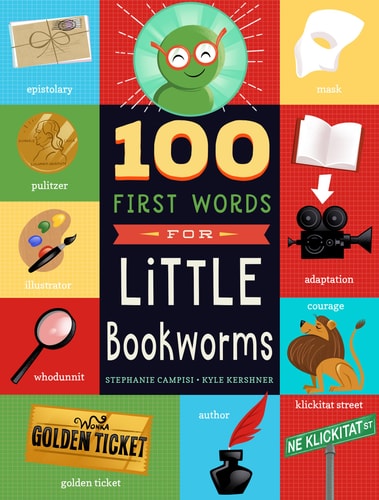
100 First Words for Little Bookworms
47.00 ₾ ?
თბილისში მიწოდება: 45 წთ-ში
A charming vocabulary book introducing babies and toddlers to their first hundred words through bright illustration and playful design. Organised thematically, Stephanie Campisi’s carefully chosen words build language naturally — a perfect gift and an excellent companion to reading aloud.
101 Kitchen Secrets Cut Down on Dishes, Cost, and Time in the Kitchen
59.00 ₾ ?
თბილისში მიწოდება: 45 წთ-ში
Jason Goldstein’s practical guide to cooking smarter — 101 techniques and shortcuts for cutting down on dishes, cost, and time in the kitchen. Professional knowledge for home cooks: how to repurpose, simplify, and build flavour efficiently without extra equipment or expense.

Automania
152.00 ₾ ?
თბილისში მიწოდება: 45 წთ-ში
A visually spectacular exploration of the car as cultural object — symbol, status marker, design icon, and site of collective fantasy. Drawing on MoMA’s collection, Juliet Kinchin traces how car culture has shaped twentieth-century design, advertising, and popular imagination.

Sacred Darkness The Last Days of the Gulag
65.00 ₾ ?
თბილისში მიწოდება: 45 წთ-ში
Georgian writer Levan Berdzenishvili’s remarkable testimony of Soviet Gulag imprisonment in the 1980s — a portrait gallery of poets, philosophers, and dissidents who maintained their intellectual lives in the camps. Vital historical document and profound meditation on preserving humanity under duress.
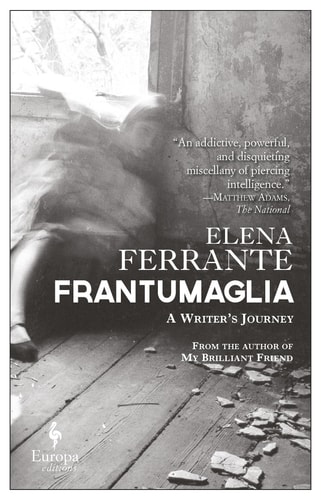
Frantumaglia A Writer’s Journey
59.00 ₾ ?
თბილისში მიწოდება: 45 წთ-ში
Elena Ferrante’s closest approach to memoir — letters, interviews, and occasional writing documenting her evolution as a writer. For readers who love the Neapolitan novels, an essential window into the intellectual and emotional world from which they emerged, and into her thinking on anonymity and fiction.
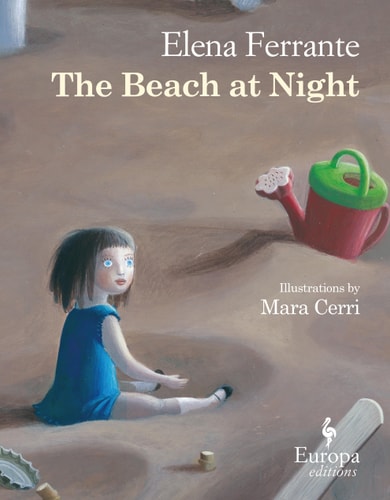
The Beach at Night
59.00 ₾ ?
თბილისში მიწოდება: 45 წთ-ში
Elena Ferrante’s beautiful, quietly unsettling picture book — a doll left behind on the beach faces abandonment and darkness alone. Illustrated by Mara Cerri with atmospheric depth, this is a book for adults as much as children: a meditation on loss and the interior life of objects.
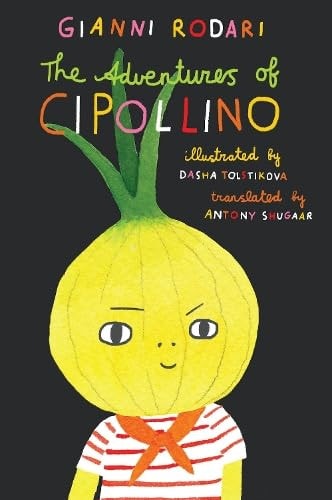
The Adventures of Cipollino
106.00 ₾ ?
თბილისში მიწოდება: 45 წთ-ში
Gianni Rodari’s beloved Italian classic — Cipollino the little onion leads the vegetable people against the tyrannical fruit aristocracy in a political fable that is also a genuinely funny, warmly illustrated adventure. A children’s book with real ideas about justice and solidarity.
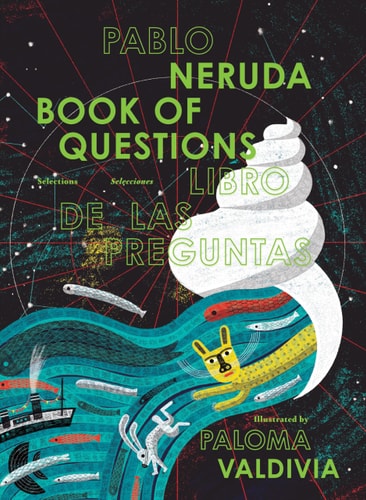
Book of Questions Selections
117.00 ₾ ?
თბილისში მიწოდება: 45 წთ-ში
Selections from Pablo Neruda’s extraordinary late work — childlike, profound questions that probe existence, time, love, and the world. Simple inquiry as deep philosophical poetry: a perfect introduction to a Nobel laureate whose range extends far beyond his famous love poems.
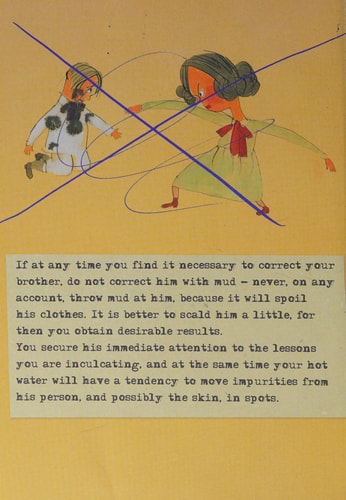
Advice to Little Girls
59.00 ₾ ?
თბილისში მიწოდება: 45 წთ-ში
Mark Twain’s subversive Victorian parody — brief, deadpan, and delightfully undermining adult hypocrisy through the form of improving literature for children. A small gem of American humour, illustrated in this Chronicle Books edition with fresh visual life.
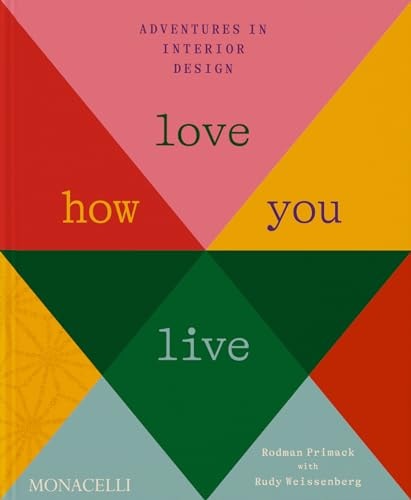
Love How You Live Adventures in Interior Design
Original price was: 327.00 ₾.305.00 ₾Current price is: 305.00 ₾. ?
თბილისში მიწოდება: 45 წთ-ში
An exuberant guide to creating interiors that genuinely reflect the people who inhabit them — mixing periods, cultures, and objects loved for personal rather than fashionable reasons. Rodman Primack and Rudy Weissenberg offer inspiration and philosophy for living with authenticity and joy.

Transform Architecture of Adaptation
292.00 ₾ ?
თბილისში მიწოდება: 45 წთ-ში
Architect Deborah Berke’s compelling examination of adaptive reuse — transforming existing structures rather than demolishing them. Through richly documented projects, she argues that working with what exists is both sustainable practice and a profound form of architectural imagination.
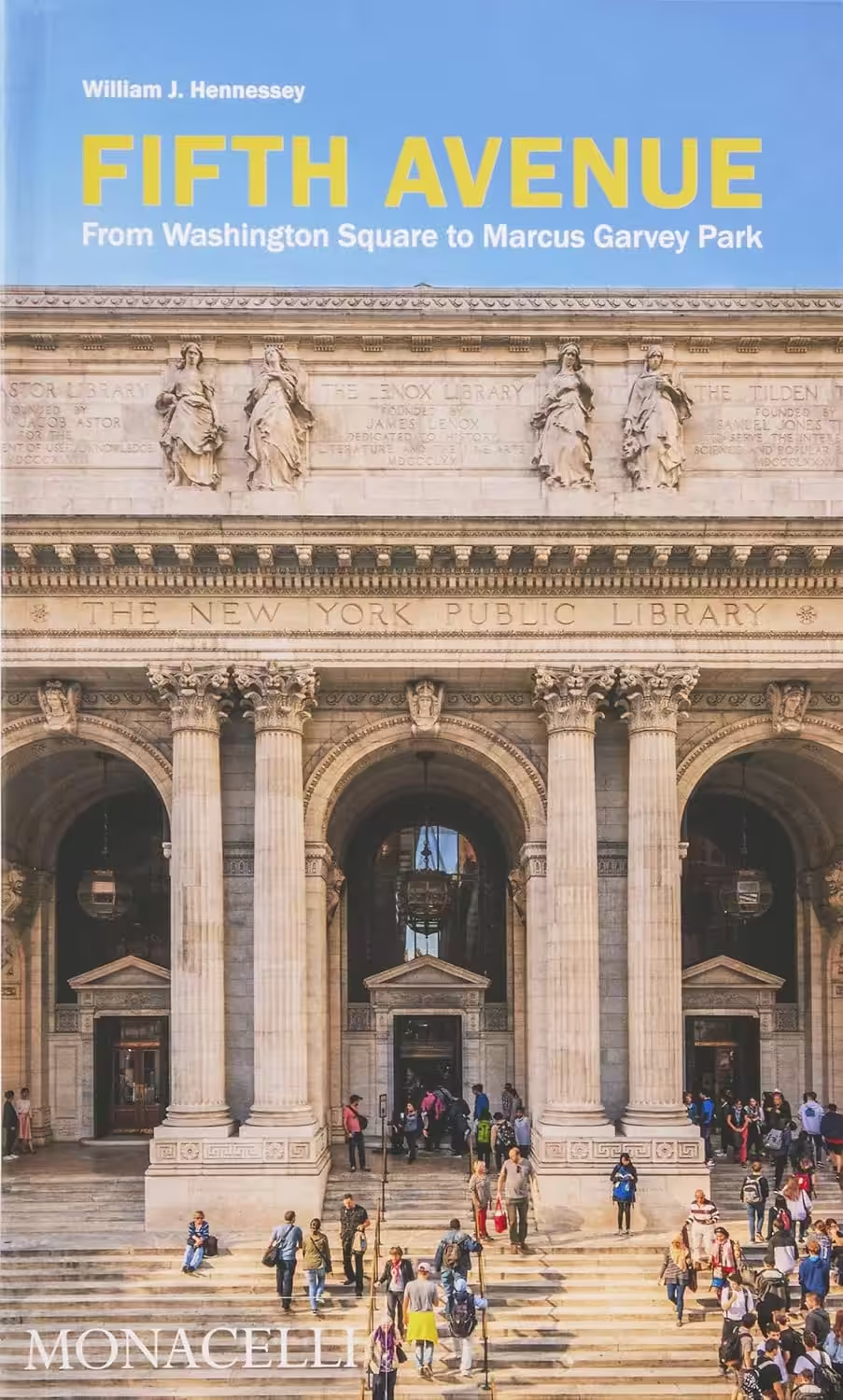
Fifth Avenue From Washington Square to Marcus Garvey Park
117.00 ₾ ?
თბილისში მიწოდება: 45 წთ-ში
A richly illustrated architectural and cultural history of New York’s most iconic street, from Washington Square to Marcus Garvey Park. William J. Hennessey traces Fifth Avenue’s evolution across two centuries in a book that is both serious historical study and visual pleasure.
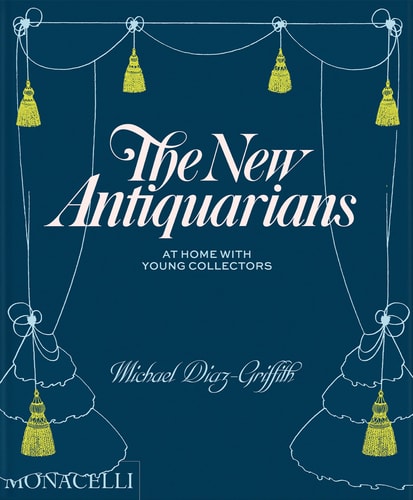
The New Antiquarians At Home with Young Collectors
292.00 ₾ ?
თბილისში მიწოდება: 45 წთ-ში
A visually stunning portrait of a new generation of young collectors who fill their homes with antiques and art — rejecting minimalism for richly layered living. Michael Diaz-Griffith visits their spaces and explores why collecting matters, in a book that is both inspiration and meditation.
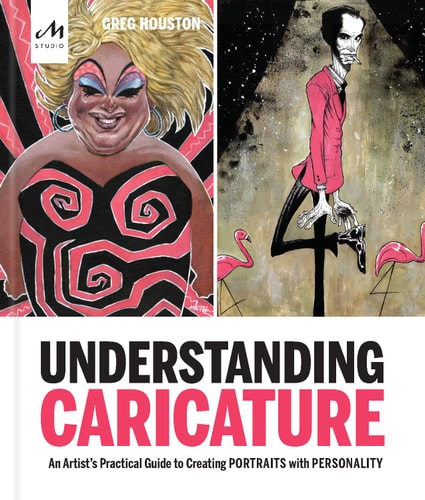
Understanding Caricature An Artist’s Practical Guide to Creating Portraits with Personality
117.00 ₾ ?
თბილისში მიწოდება: 45 წთ-ში
The definitive practical guide to caricature from professional caricaturist Greg Houston — how to identify and amplify distinctive features, balance exaggeration with likeness, and develop a personal style. Essential for illustrators and anyone who loves the art of the expressive portrait.
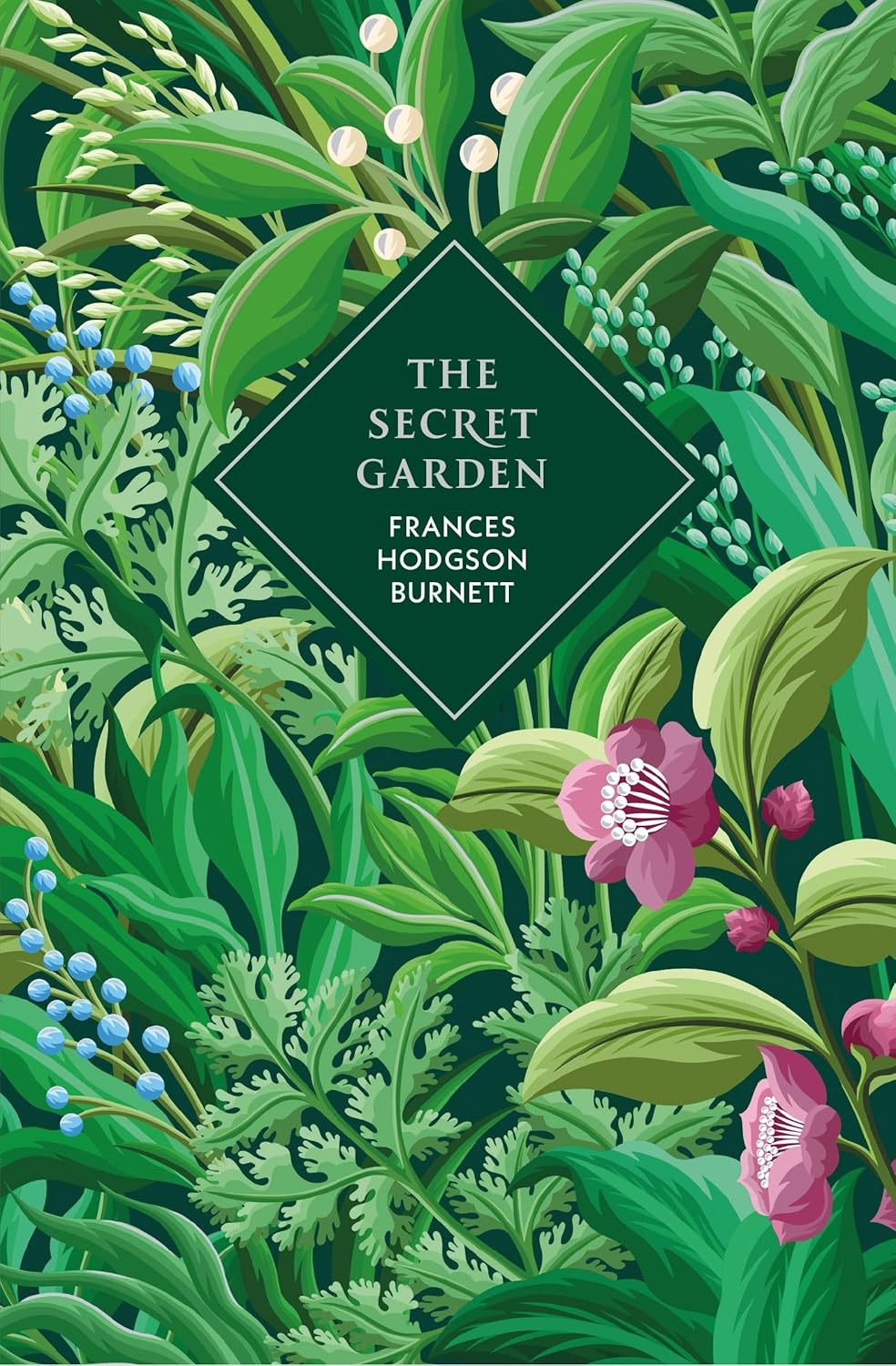
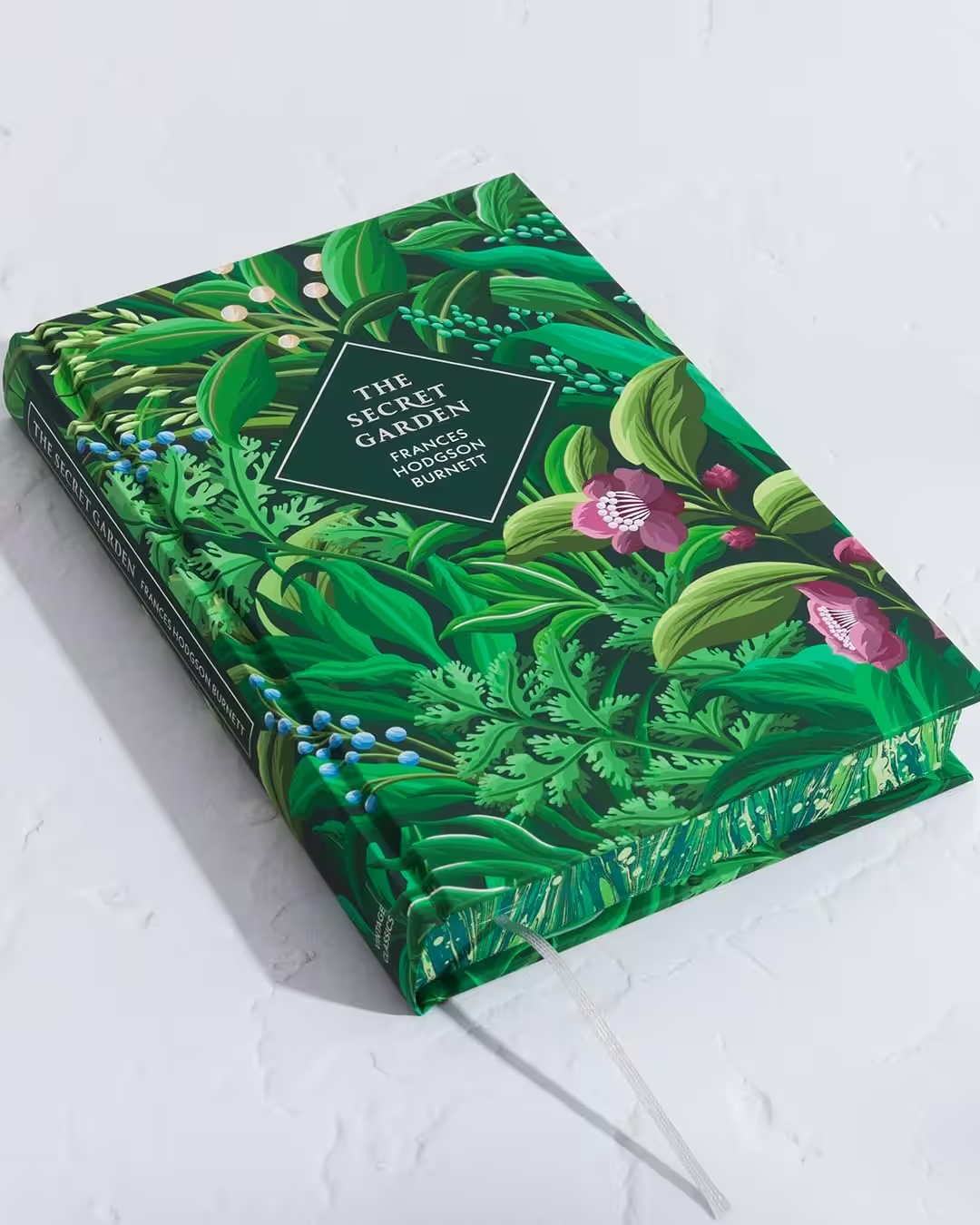
The Secret Garden (Vintage Collector’s Classics)
Original price was: 113.00 ₾.101.70 ₾Current price is: 101.70 ₾. ?
თბილისში მიწოდება: 45 წთ-ში
Frances Hodgson Burnett’s 1911 masterpiece — Mary Lennox, a locked Yorkshire garden, and one of children’s literature’s most powerful stories about the healing power of nature and attention. A novel that has made children want to dig in soil for more than a century.
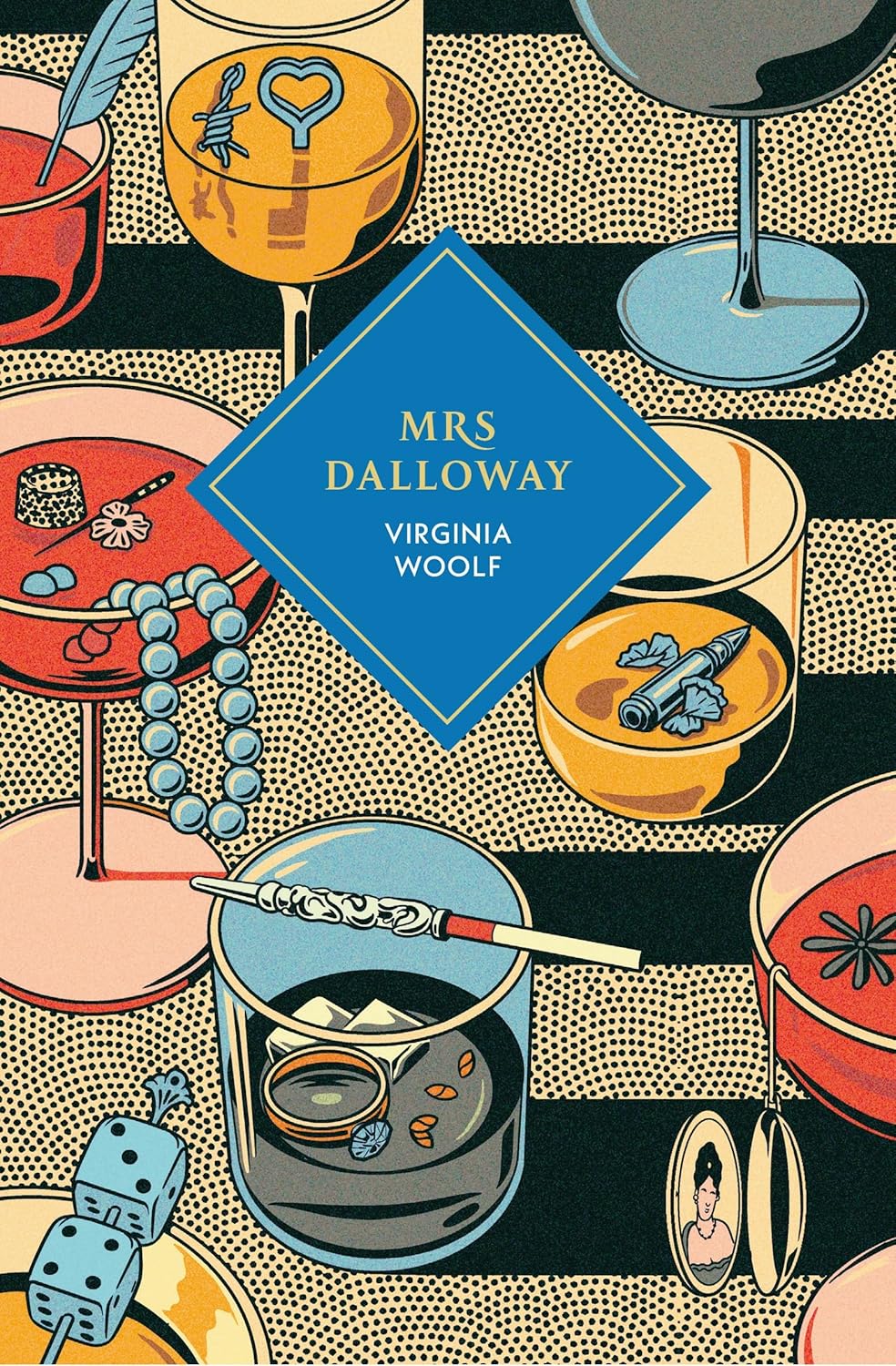

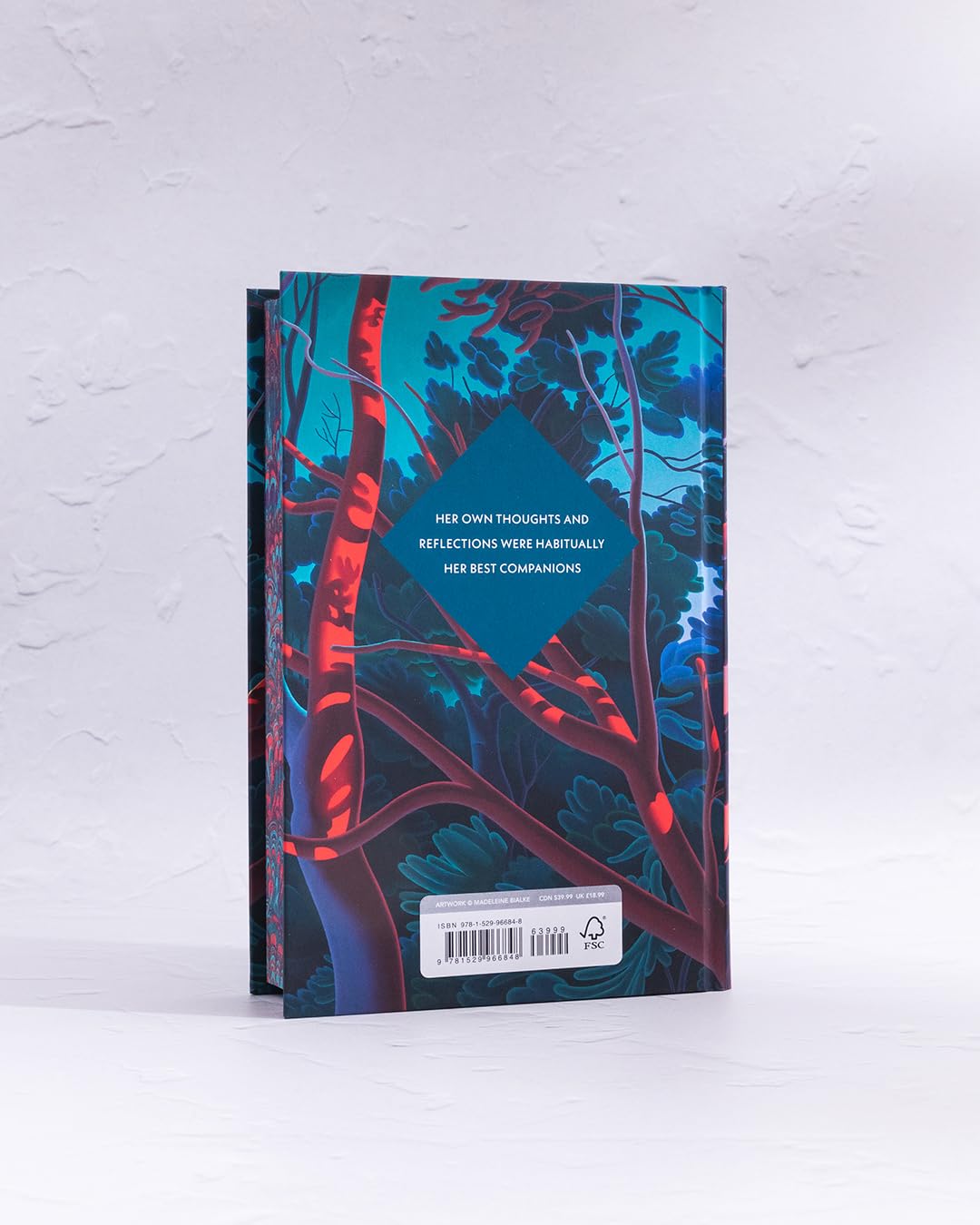
Mrs Dalloway (Vintage Collector’s Classics)
Original price was: 113.00 ₾.101.70 ₾Current price is: 101.70 ₾. ?
თბილისში მიწოდება: 45 წთ-ში
Virginia Woolf’s modernist masterpiece — a single London day in Clarissa Dalloway’s mind and Septimus Warren Smith’s shattered consciousness. Pioneering stream of consciousness, a meditation on grief, trauma, and social performance, and one of the most extraordinary novels ever written.

Mansfield Park (Vintage Collector’s Classics)
Original price was: 113.00 ₾.101.70 ₾Current price is: 101.70 ₾. ?
თბილისში მიწოდება: 45 წთ-ში
Jane Austen’s most challenging and morally serious novel — Fanny Price’s quiet virtue tested against the theatrics and moral failures of Mansfield Park. A deliberate choice of stillness over wit, it raises questions about performance, wealth, and integrity that still generate fierce debate.
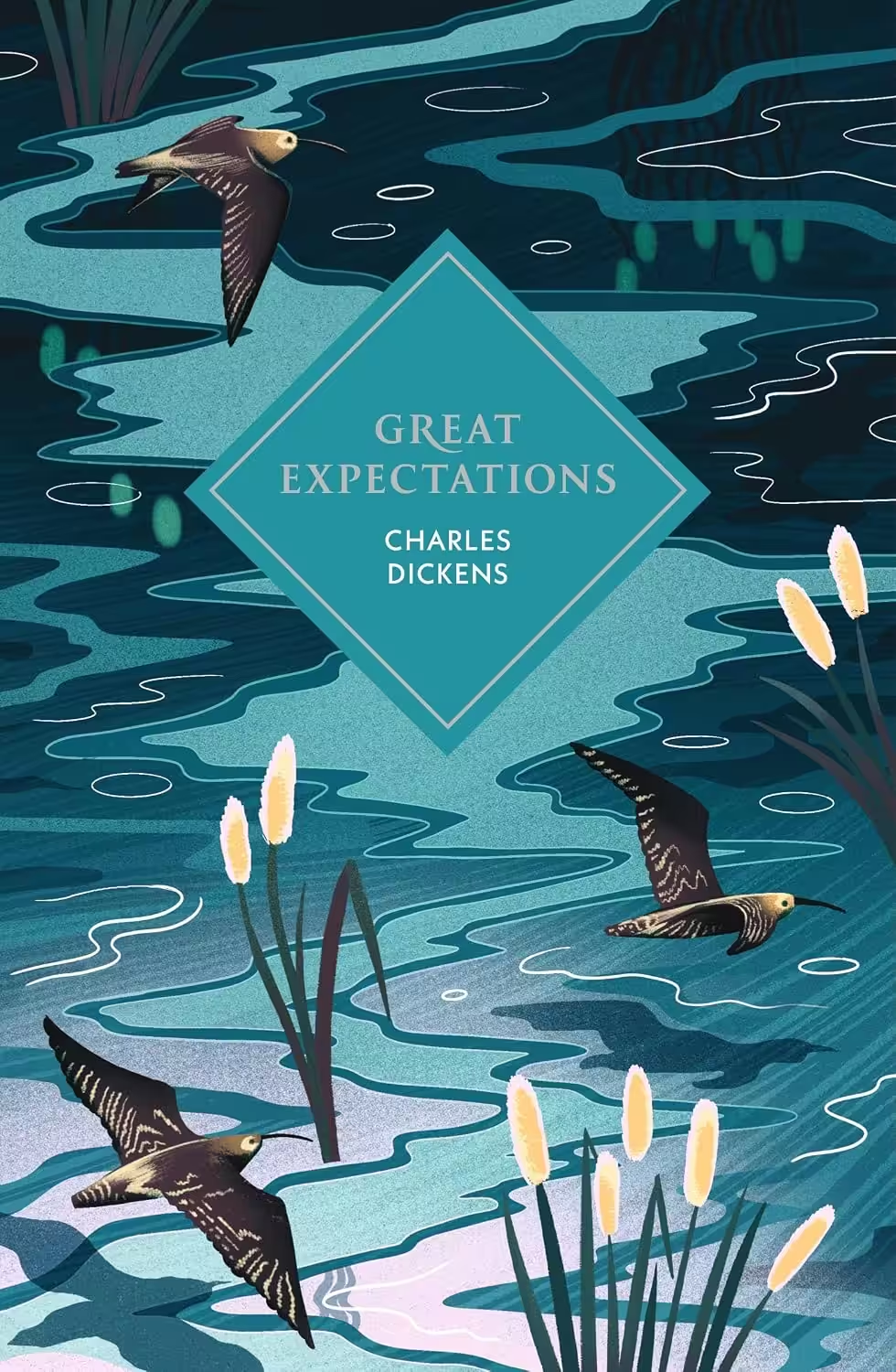
Great Expectations (Vintage Collector’s Classics)
Original price was: 113.00 ₾.101.70 ₾Current price is: 101.70 ₾. ?
თბილისში მიწოდება: 45 წთ-ში
Dickens at the height of his powers — Pip’s journey from blacksmith’s boy to gentleman and the discovery of what social aspiration truly costs. Miss Havisham, Magwitch, Estella: characters who live forever in one of literature’s greatest coming-of-age stories.

1984
113.00 ₾ ?
თბილისში მიწოდება: 45 წთ-ში
George Orwell’s prophetic 1949 masterpiece — Big Brother, doublethink, and Winston Smith’s desperate assertion of individual humanity against totalitarian power. More relevant with every passing decade, and one of the most essential novels ever written.
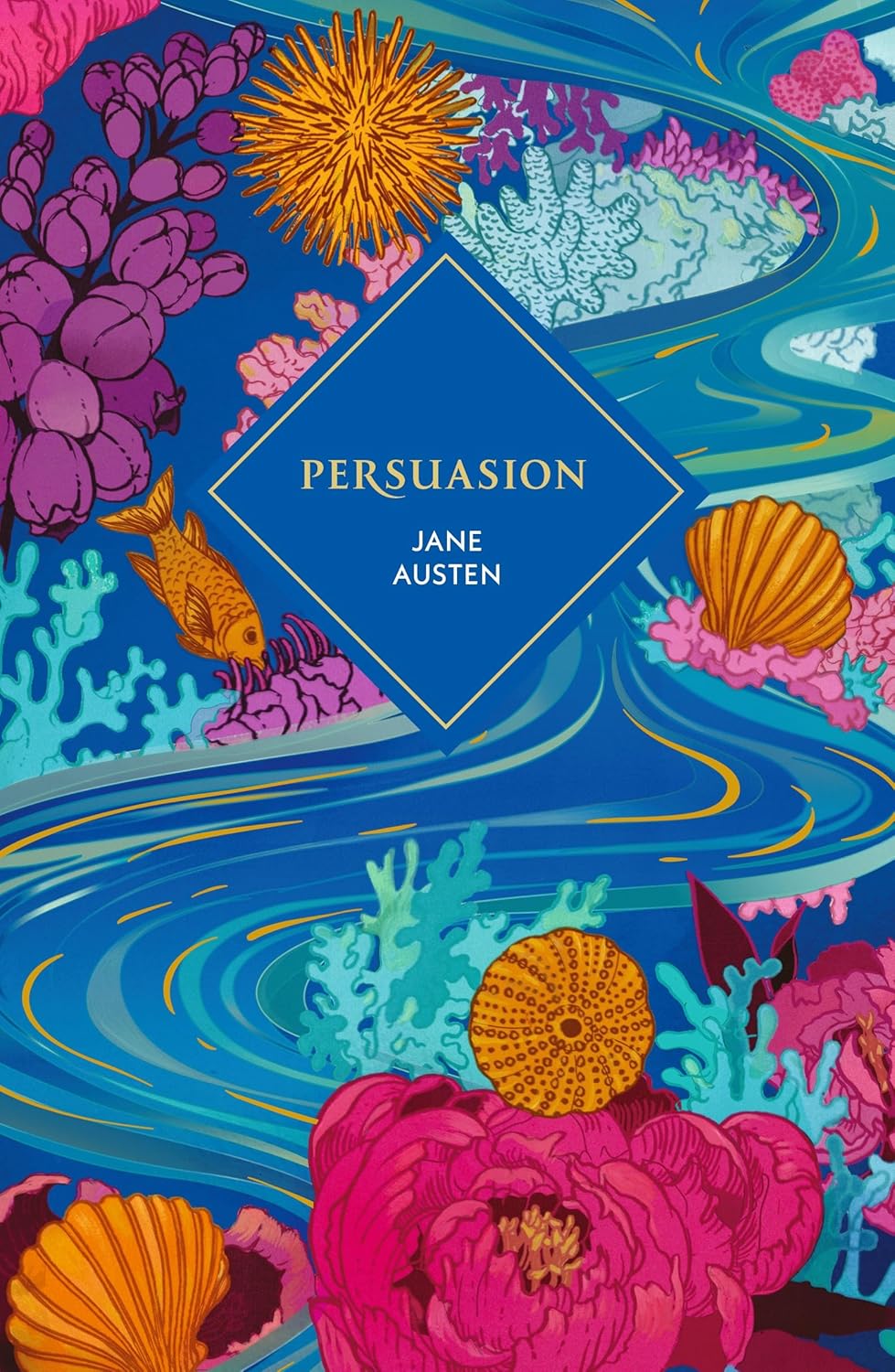

Persuasion (Vintage Collector’s Classics)
Original price was: 106.00 ₾.94.50 ₾Current price is: 94.50 ₾. ?
თბილისში მიწოდება: 45 წთ-ში
Jane Austen’s posthumous masterpiece — the most emotionally mature and moving of her novels, about second chances and recovering what was lost. Anne Elliot and Captain Wentworth’s rediscovery of each other is one of literature’s most quietly devastating love stories.
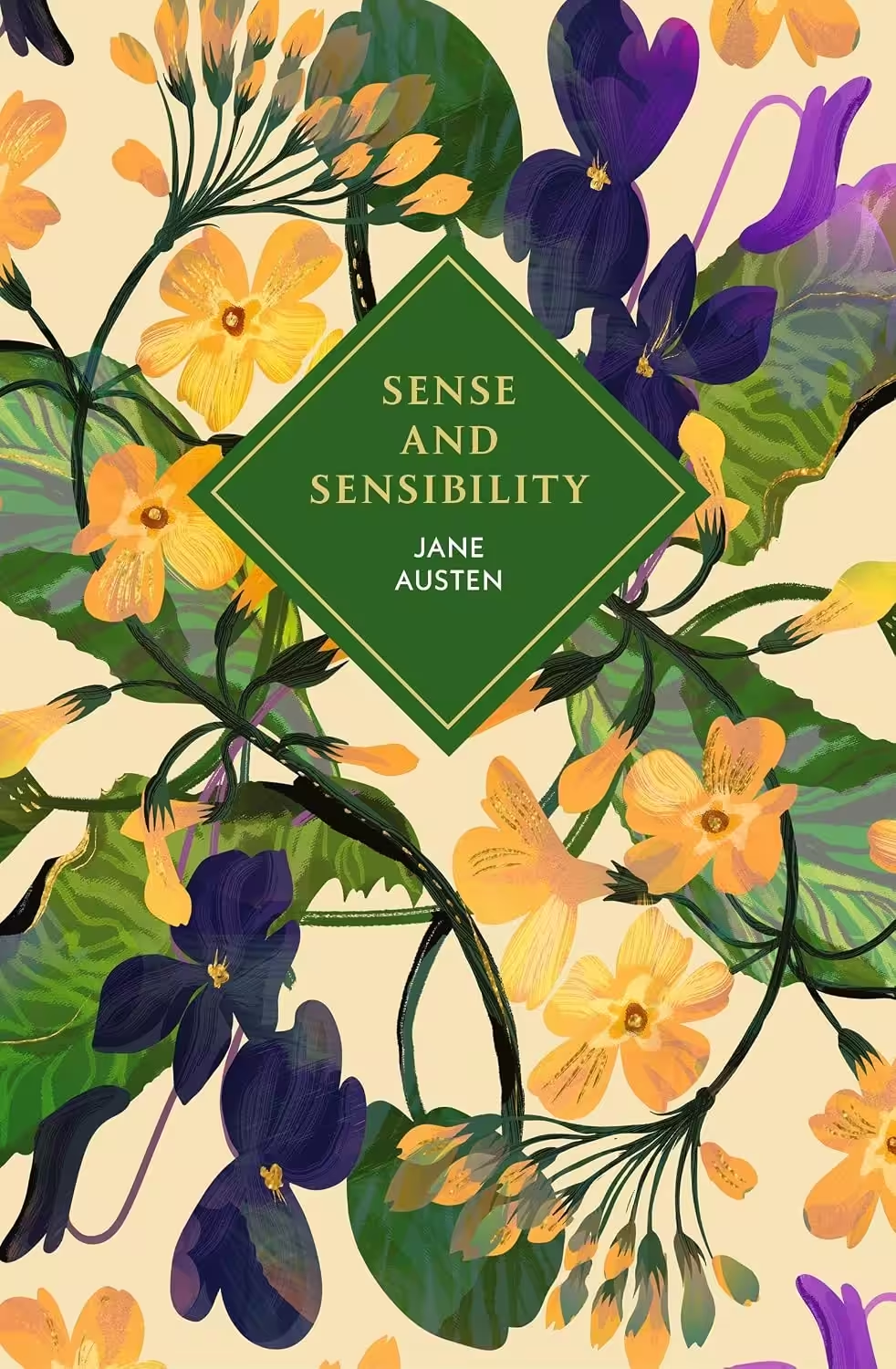
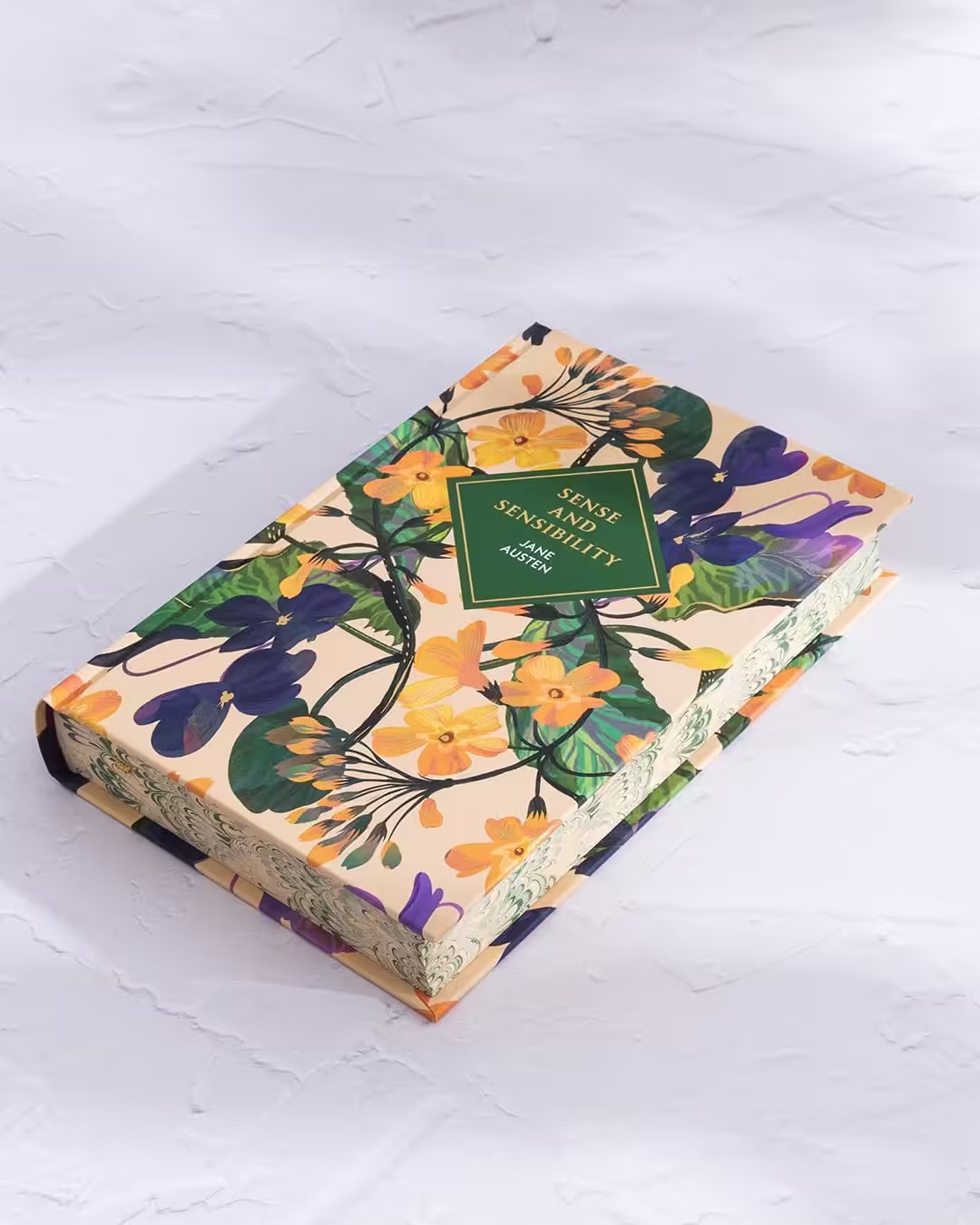
Sense and Sensibility (Vintage Collector’s Classics)
Original price was: 106.00 ₾.94.50 ₾Current price is: 94.50 ₾. ?
თბილისში მიწოდება: 45 წთ-ში
Jane Austen’s brilliant first novel — the Dashwood sisters embodying passion and restraint, and the wisdom required to navigate between them. Sharp, funny, and emotionally true, a portrait of two women navigating social constraint that reveals Austen already in complete command of her gifts.
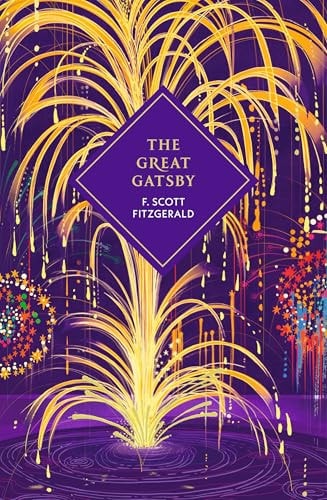
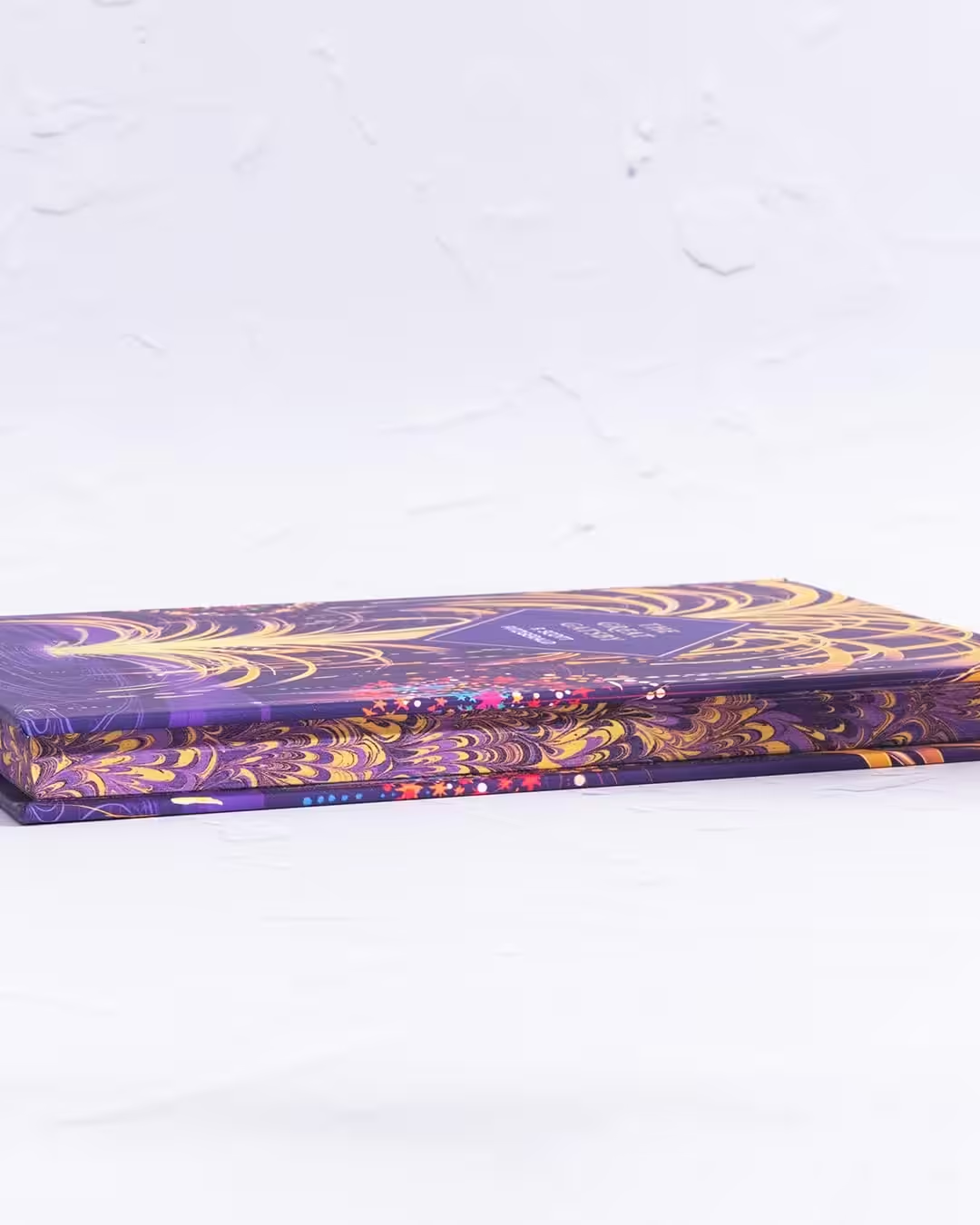
The Great Gatsby (Vintage Collector’s Classics)
Original price was: 106.00 ₾.94.50 ₾Current price is: 94.50 ₾. ?
თბილისში მიწოდება: 45 წთ-ში
F. Scott Fitzgerald’s 1925 masterpiece — Jay Gatsby, the American Dream, and the particular glamour and emptiness of a world built on illusion. Prose of extraordinary beauty and one of the century’s most devastating portraits of aspiration and its discontents.
The Summer War
82.00 ₾ ?
თბილისში მიწოდება: 45 წთ-ში
Naomi Novik returns to the Scholomance universe in a thrilling new story set beyond the school’s walls — exploring conflicts, alliances, and the moral consequences of the world El Higgins fought to change. Essential for fans of the acclaimed trilogy.
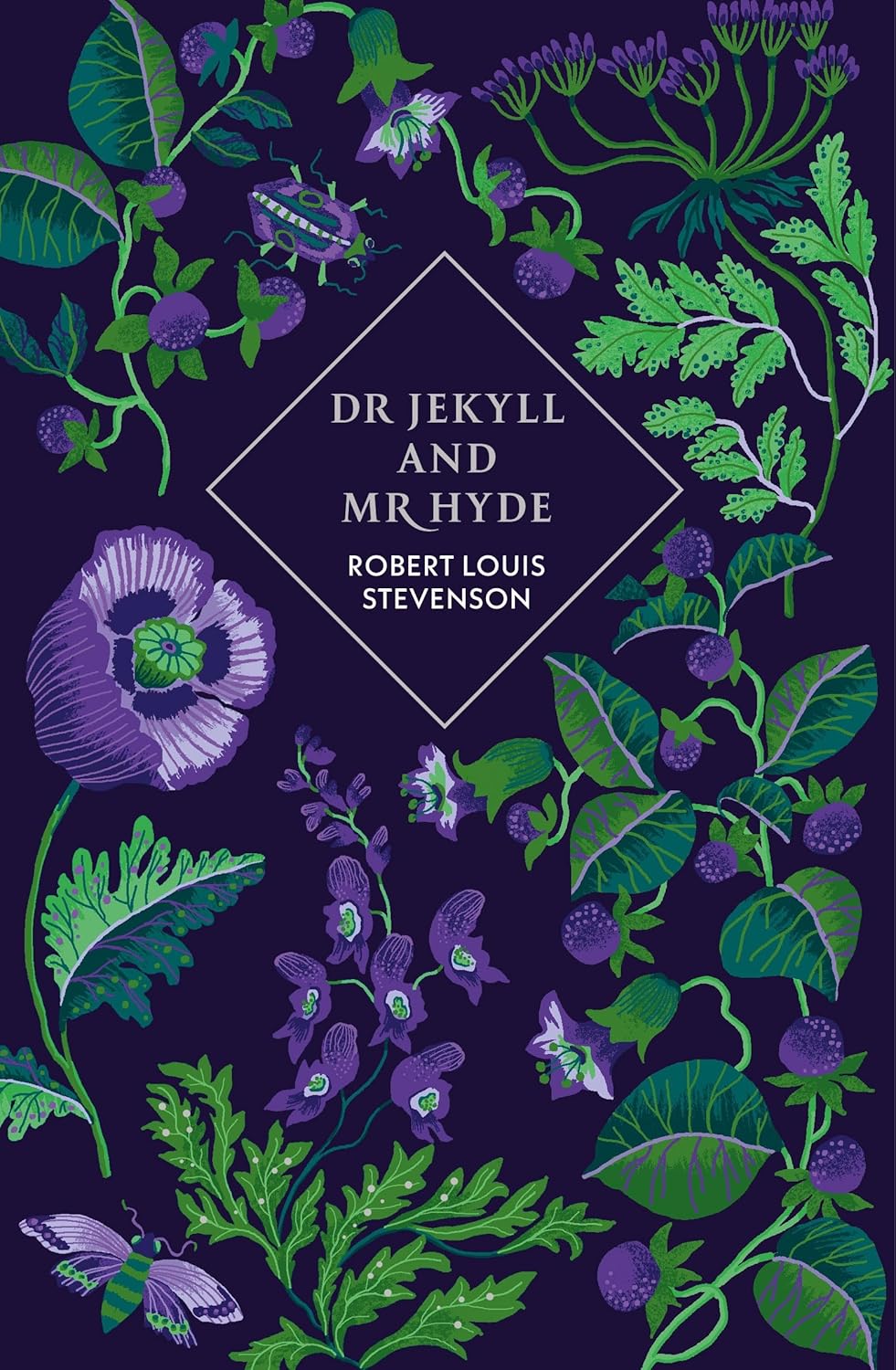

Dr Jekyll and Mr Hyde and Other Stories (Vintage Collectors Classics)
113.00 ₾ ?
თბილისში მიწოდება: 45 წთ-ში
Stevenson’s 1886 masterpiece alongside his finest short stories — a gothic thriller, a parable of repression, and one of literature’s most resonant metaphors about the divided self. Stranger, darker, and more interesting than any adaptation, the original rewards every reader who returns to it.

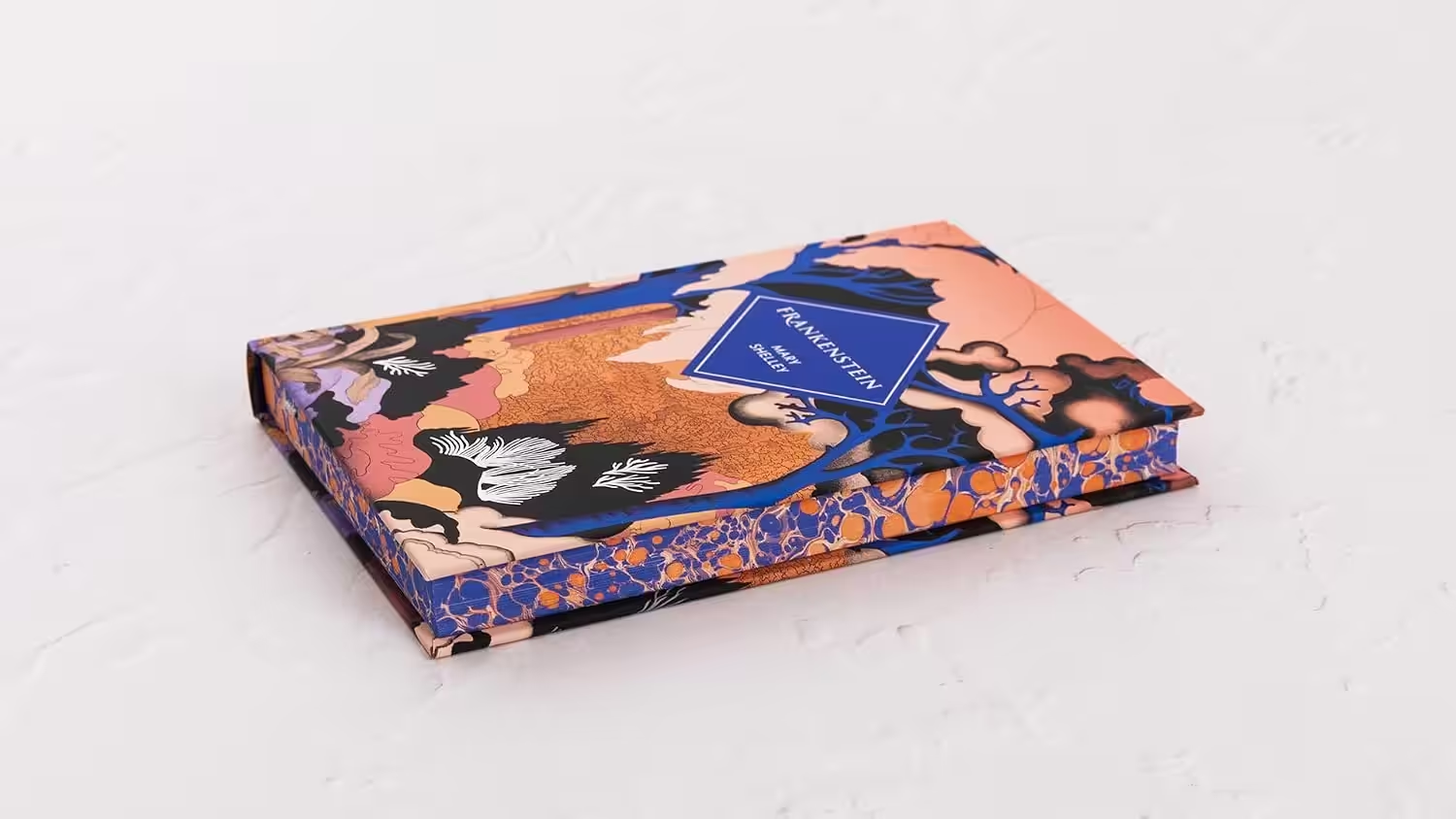
Frankenstein (Vintage Collector’s Classics)
Original price was: 106.00 ₾.94.50 ₾Current price is: 94.50 ₾. ?
თბილისში მიწოდება: 45 წთ-ში
Mary Shelley’s extraordinary 1818 novel — the story of Victor Frankenstein and his abandoned creation, and one of the most profound meditations on responsibility, loneliness, and the ethics of creation ever written. The novel that invented science fiction remains as urgent as ever.


Wuthering Heights (Vintage Collector’s Classics)
Original price was: 106.00 ₾.94.50 ₾Current price is: 94.50 ₾. ?
თბილისში მიწოდება: 45 წთ-ში
Emily Brontë’s strange, powerful 1847 gothic masterpiece — the consuming, ultimately lethal passion between Heathcliff and Catherine Earnshaw, told with remarkable formal sophistication. What seems like passionate romance reveals itself as something darker and more extraordinary with every reading.
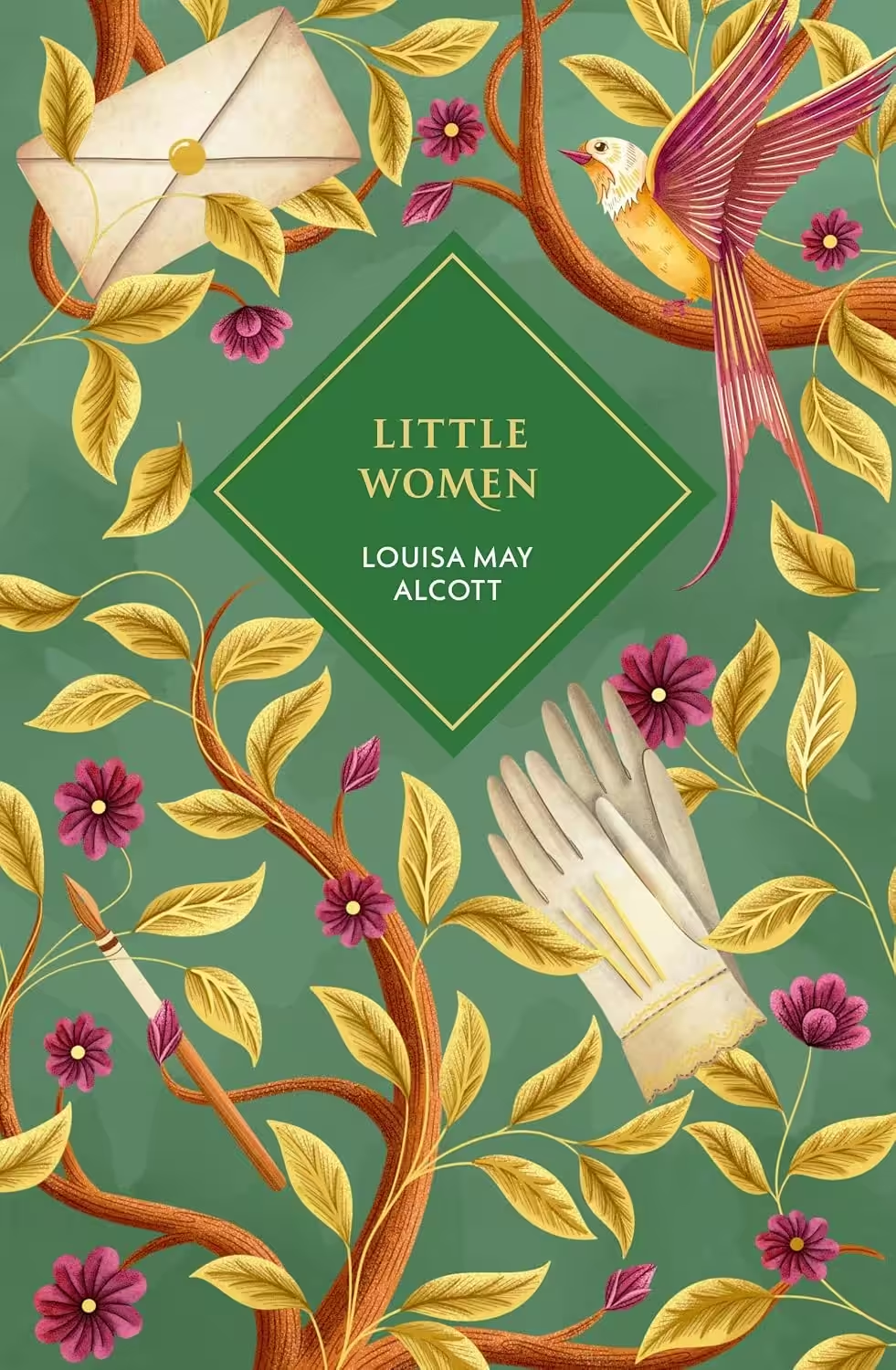
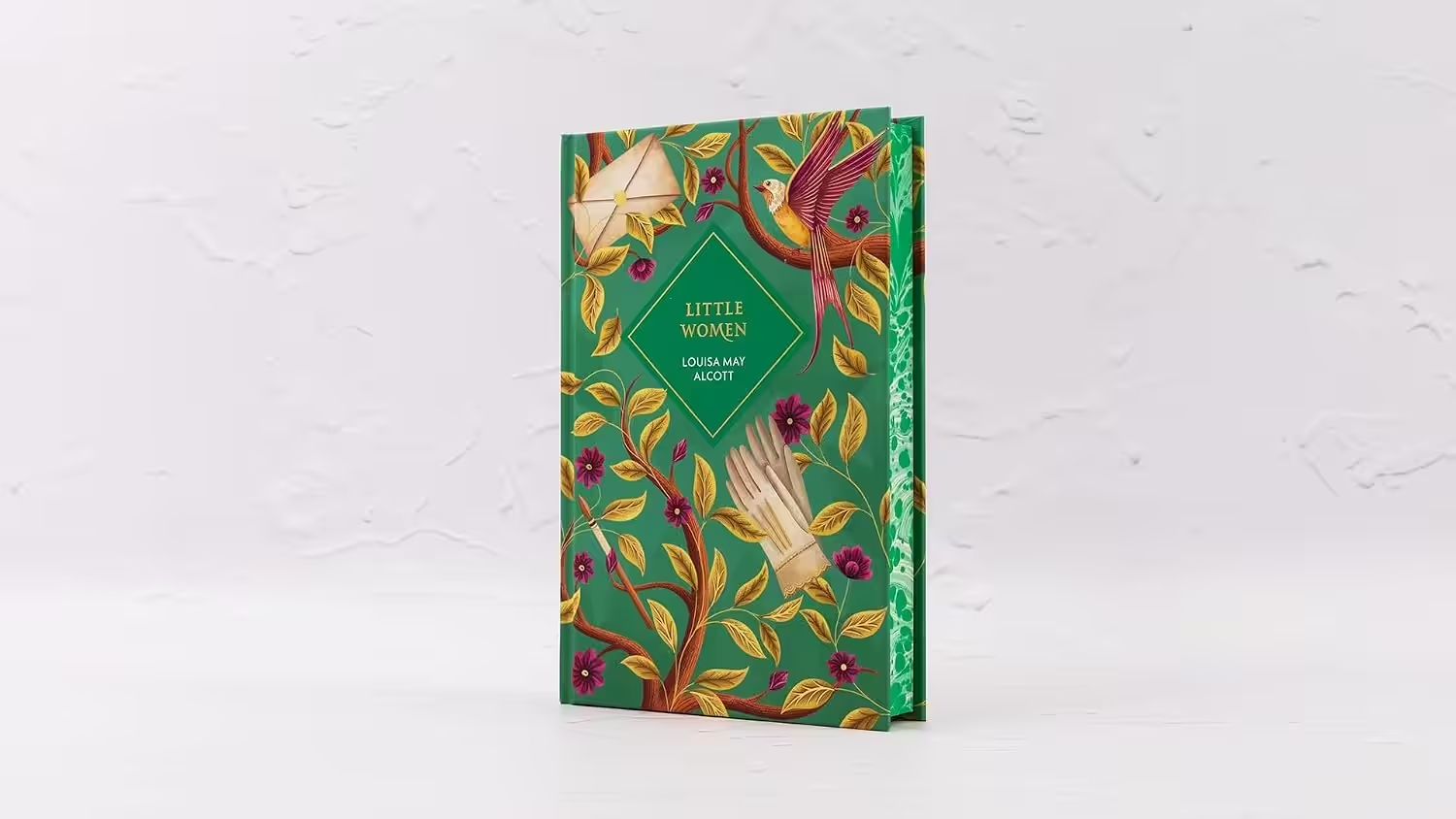
Little Women (Vintage Collector’s Classics)
Original price was: 113.00 ₾.94.50 ₾Current price is: 94.50 ₾. ?
თბილისში მიწოდება: 45 წთ-ში
Louisa May Alcott’s beloved 1868 novel — Jo, Meg, Beth, and Amy March navigating girlhood, ambition, and the difficult business of becoming who you want to be. Warm, vivid, and endlessly compelling, a novel that has shaped generations of readers and continues to speak directly to our own times.
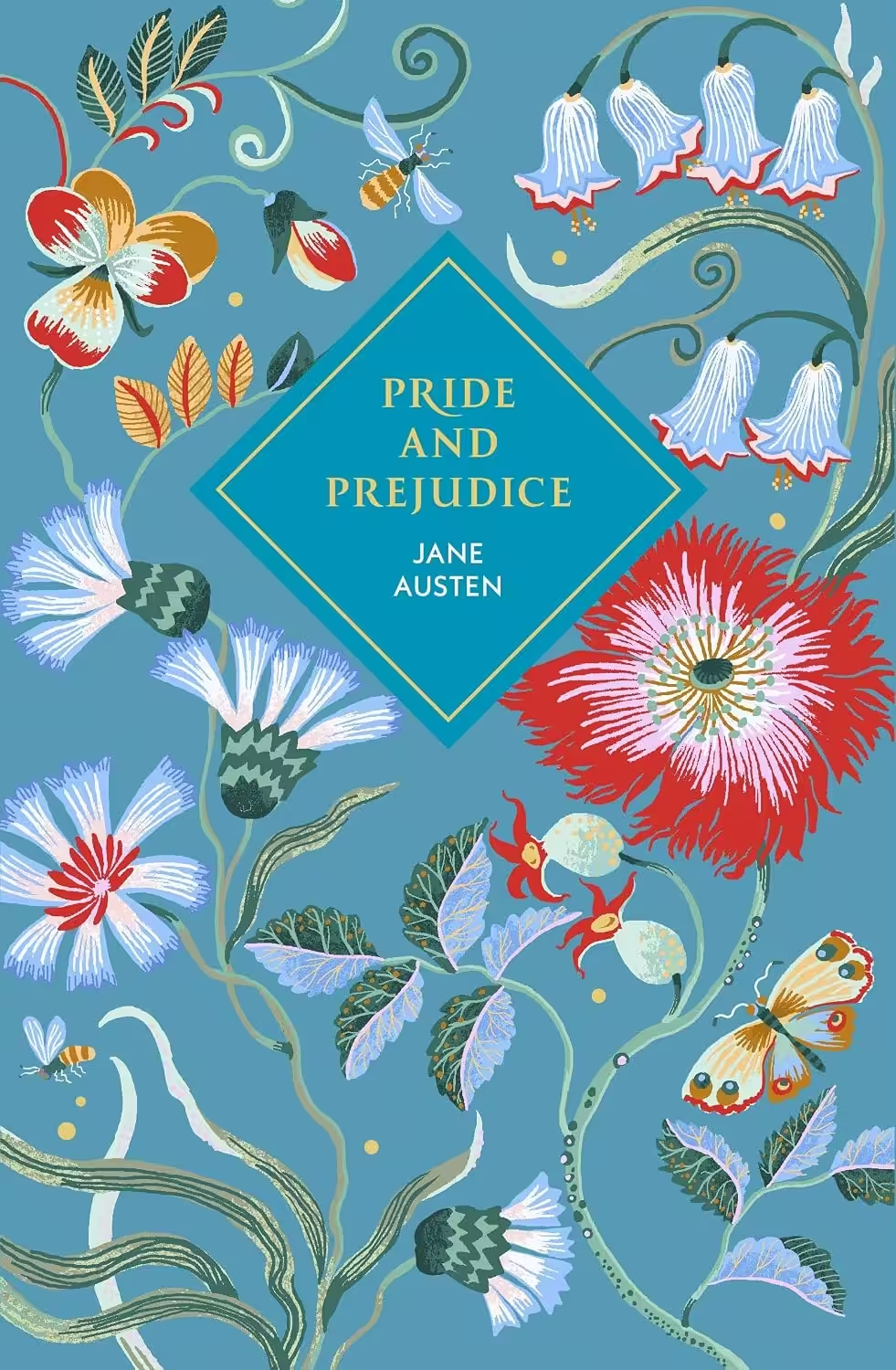
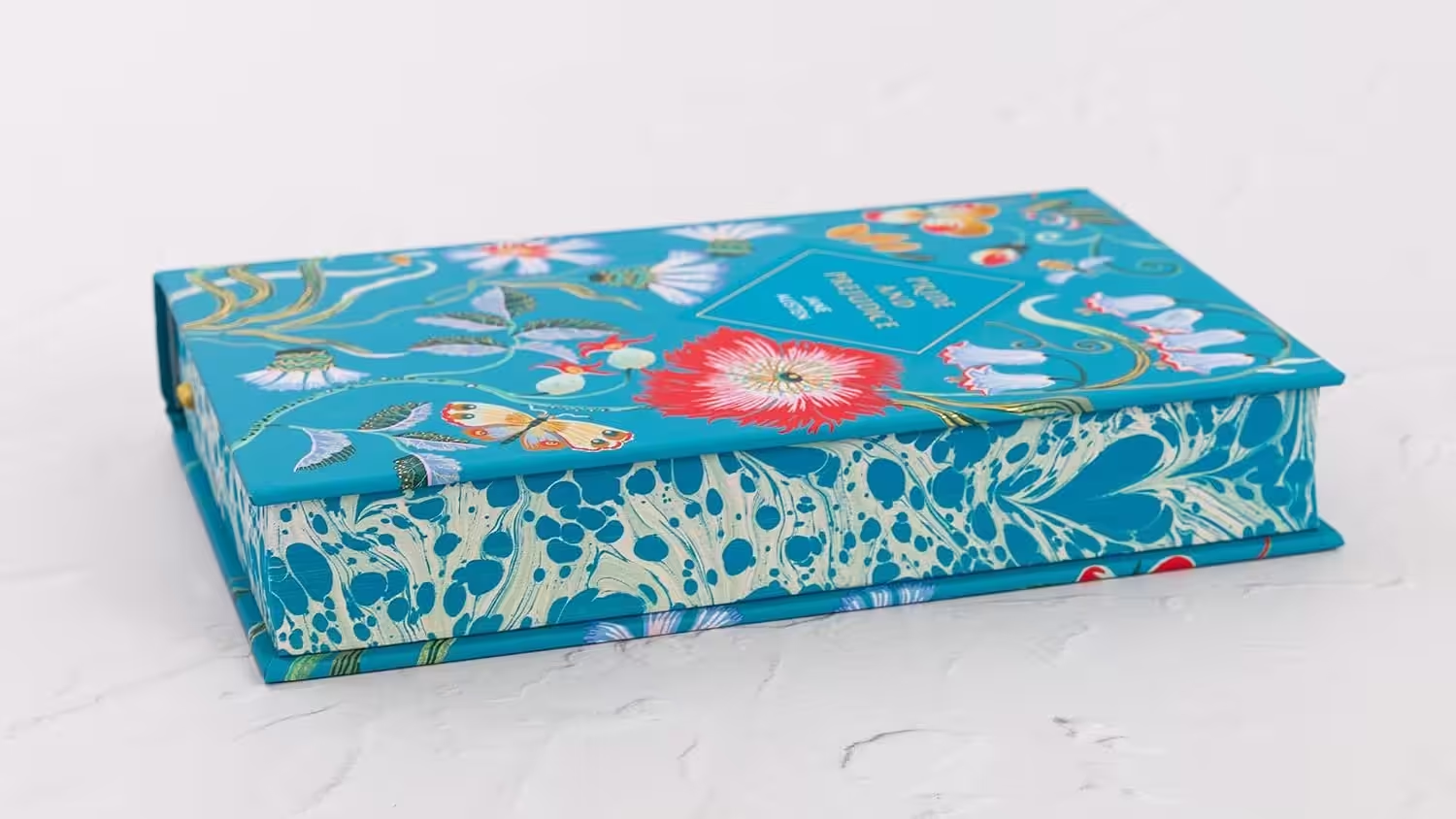
Pride and Prejudice (Vintage Collector’s Classics)
Original price was: 106.00 ₾.94.50 ₾Current price is: 94.50 ₾. ?
თბილისში მიწოდება: 45 წთ-ში
Jane Austen’s perfect comedy of manners and one of the great love stories ever written — Elizabeth Bennet and Mr Darcy, first impressions, and the willingness to be wrong about oneself. Sharp, funny, and absolutely modern, 200 years after it first appeared.
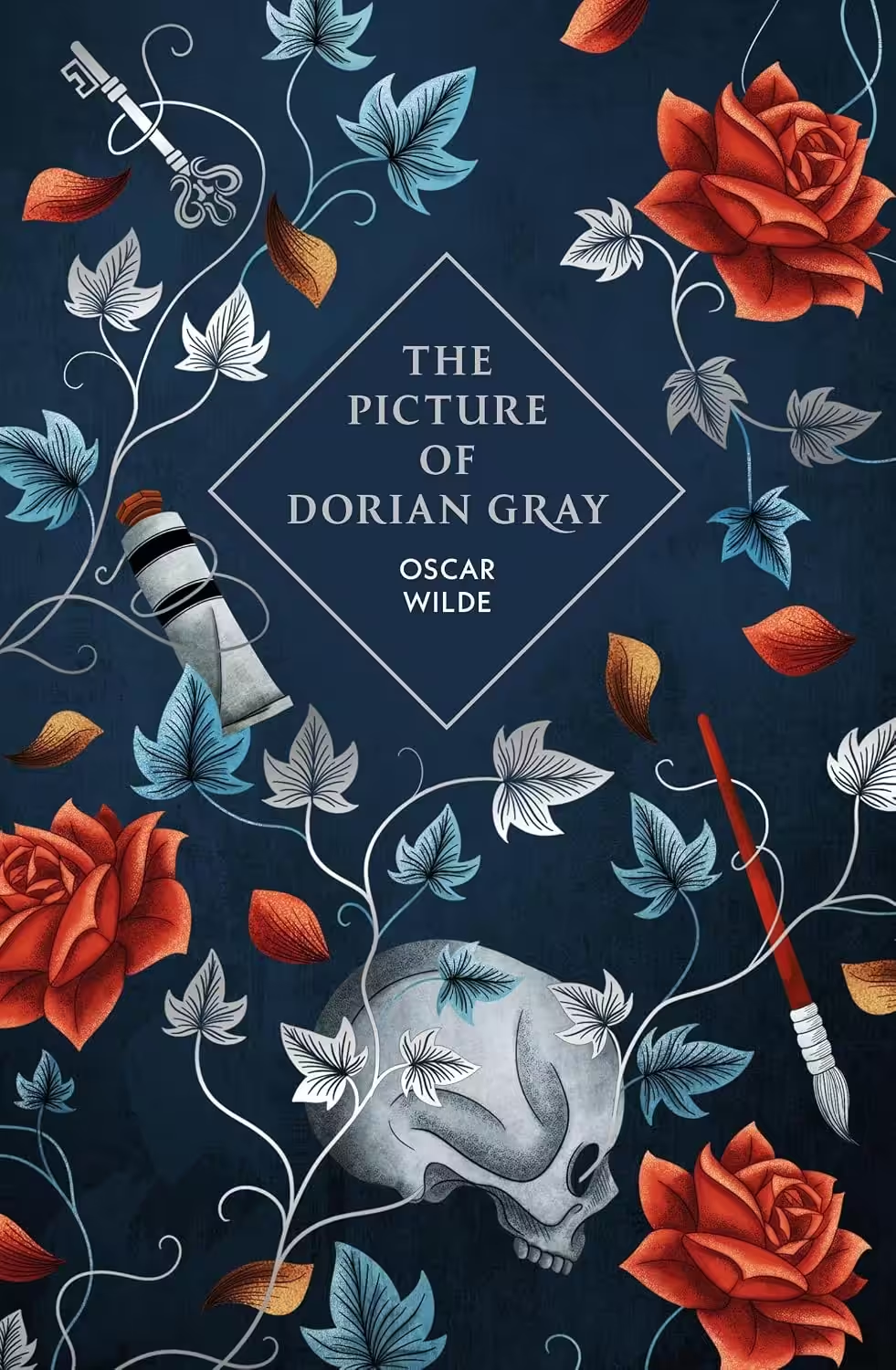
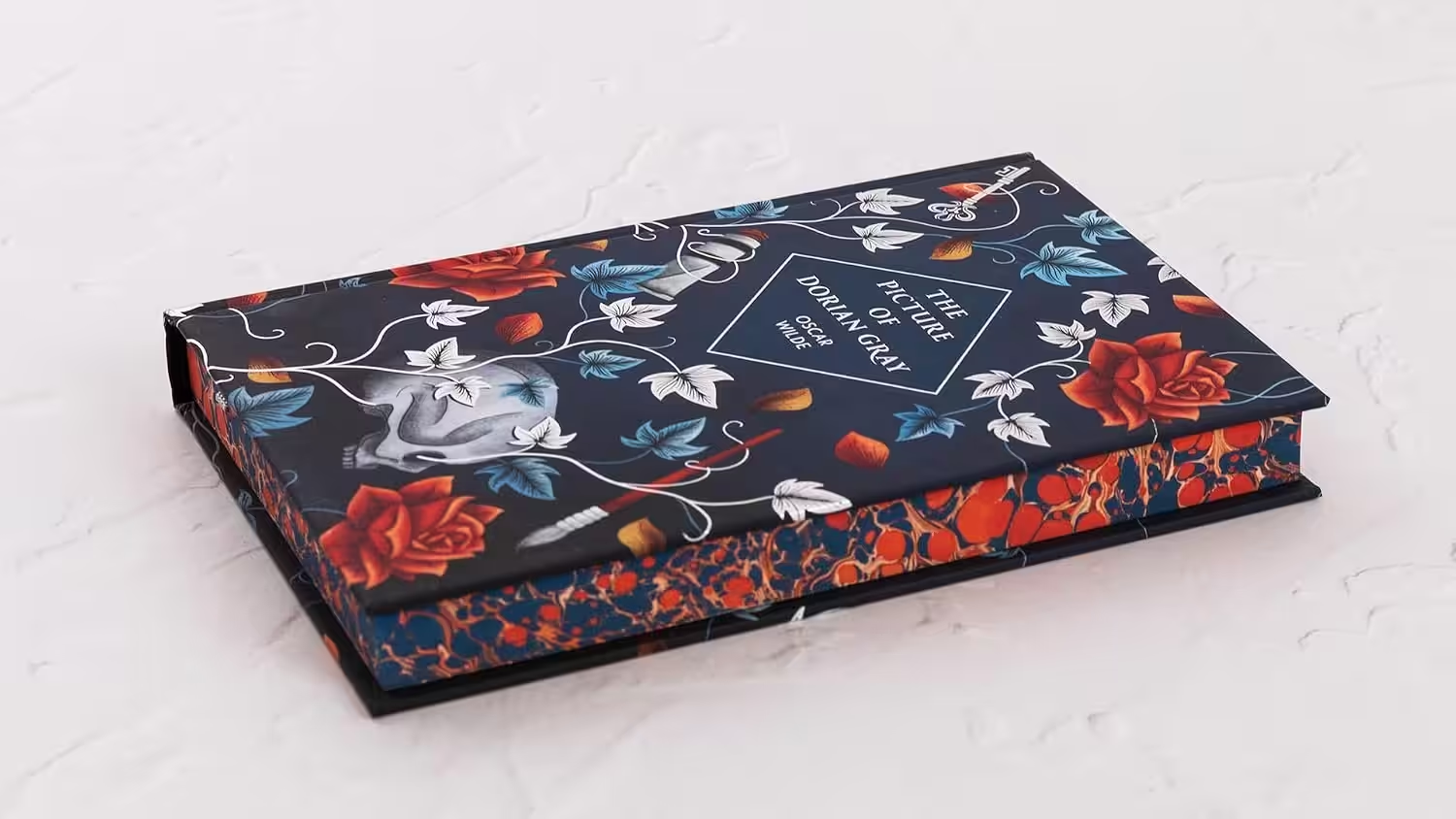
The Picture of Dorian Gray (Vintage Collector’s Classics)
Original price was: 106.00 ₾.94.50 ₾Current price is: 94.50 ₾. ?
თბილისში მიწოდება: 45 წთ-ში
Oscar Wilde’s immortal 1890 parable of vanity, corruption, and the price of a soul — Dorian Gray’s portrait ages while he remains beautiful, recording every sin he refuses to acknowledge. Provocative, gothic, and morally complex: one of literature’s most enduring and unsettling masterpieces.


